
Hydro-Formed and Deep-Drawn Bottle Shells
By Chen Wei, Chief Metallurgist & Vacuum Process Lead · Updated
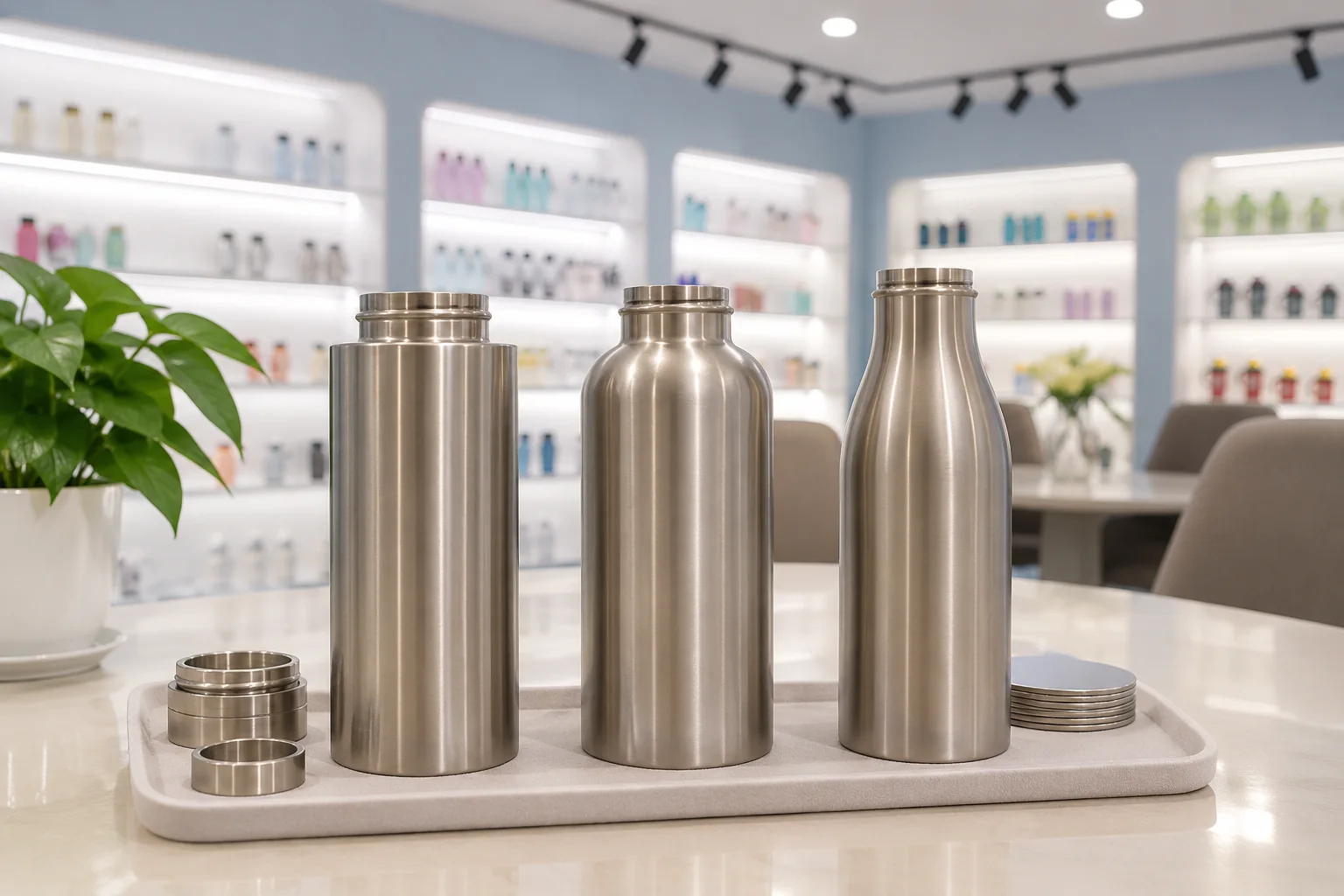
Quick answer
Compare shell geometry and finish options when preparing a stainless steel bottle brief.
Specify the shell separately from the liner
An insulated bottle consists of components that have different jobs. The outer shell affects grip, appearance and resistance to handling damage. The inner vessel holds the beverage. Record which process applies to each formed part before comparing quotes.
Ask for a drawing showing the mouth, neck, shoulder, side wall, bottom and any joins. Identify which dimensions control assembly and retain enough information to compare the proposal across suppliers.
What should purchasing put in the initial brief?
During a review of shell design, suppose a buyer has a sculpted grip drawing without a corresponding closure drawing. Ask for a component drawing and a joining map for both walls. Watch for this risk: the appearance work advances before the assembly interfaces are decided.
Start by writing the buying decision in one sentence and sharing it with the supplier before asking for a sample. Include who will use the product and under what conditions. If several models are under consideration, give each its own line and identify which assumptions the models share. Ask the supplier to return any exceptions in writing so the sample team can focus on the decisions still open.
Understand tube hydroforming
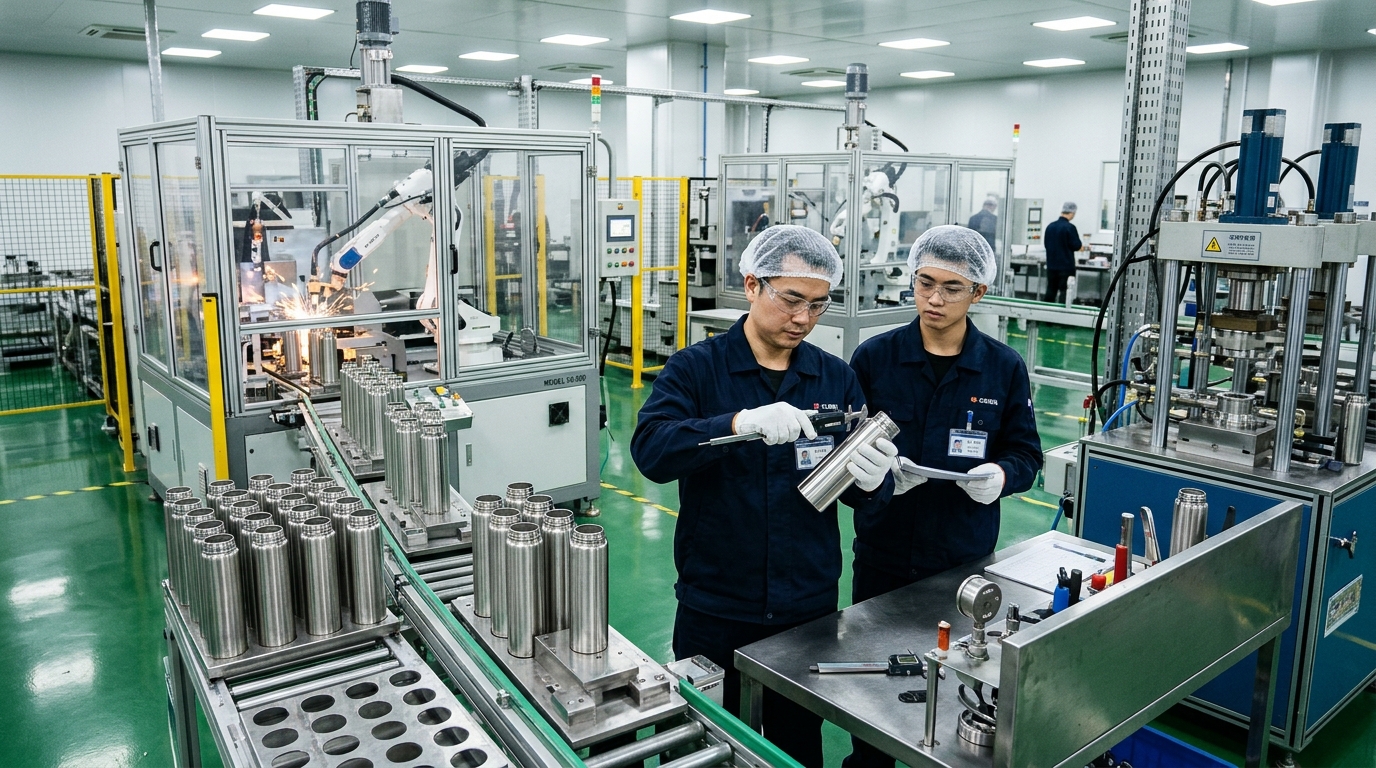
In tube hydroforming, internal fluid pressure expands a tube into a closed die. The incoming tube can have its own manufacturing history, including a longitudinal weld. Ask about the input stock and where any formed or joined features will appear on the finished component.
This route can be considered when a distinctive profile is central to the product. Review proposed geometry and measured wall thickness where the shape stretches most. Get a quotation that identifies the shaping work and any secondary finishing.
What makes two proposals comparable?
During a review of tube stock, suppose two routes quote the same formed profile from tubes with different origins. Ask for the input stock specification and proposed location of any longitudinal joint. Watch for this risk: a buyer infers a seamless component from the name of a forming process.
Use the same quantity, delivery assumptions and version of the specification when soliciting alternatives. Ask each supplier to identify which details are included in their proposal and which would require separate development or testing. Save the assumptions alongside the quote. Once someone updates a sample or an input, record the resulting revision so the whole team is comparing proposals from the same round.
Understand deep drawing
Deep drawing uses a punch and die to pull a sheet blank into a cup or shell. Taller geometries may require subsequent drawing and finishing steps. The formed cup may be one piece, while a complete assembled flask will have additional joints.
Ask for a proposal that separates the stock, forming stages, trimming, neck work and joins. A round profile with generous transitions provides a useful starting point for a supplier feasibility review.
Which details should the supplier explain?
During a review of draw sequence, suppose a taller bottle is requested while preserving the base diameter. Ask for a feasibility proposal and the planned number of forming and finishing stages. Watch for this risk: a change in geometry is treated as a cosmetic adjustment with no tooling effects.
Ask the supplier to identify what they can verify directly and what depends on a component partner, independent laboratory or carrier. Put names on the tasks and request the relevant evidence before the decision date. Keep supplier statements next to the supporting records so that a reviewer can distinguish a design proposal from an observation on a particular sample or shipment.
Review the shoulder, base and grip zones
The geometry that looks compelling on a rendering can create localized thinning or challenges with repeatability. Mark sharp transitions, deep recesses and the sections that connect to other parts before final wall targets are agreed.
Measure meaningful locations and ask where the minimum wall occurs on an actual sample. Include the base ring, shoulder and grip details if those zones take impact or control fit. A nominal stock thickness alone leaves out material redistribution during forming.
What should the sample review confirm?
During a review of wall distribution, suppose a sample feels rigid overall but has a tight stretch zone near the shoulder. Ask for measured sections or appropriate thickness data across the critical geometry. Watch for this risk: the nominal sheet thickness is treated as the minimum in the formed part.
Agree the review location, conditions and timing with the people who will approve the result. Document what was reviewed as well as any deviation introduced during preparation, and make the sample or images available to purchasing, quality and product staff. Where an issue can be reproduced, retain the setup and sequence so a second person can check the observation before approval.
Protect closure and accessory fit
Identify the dimensions that locate the closure, gasket, protective boot and bottle cage. A shell that satisfies a cosmetic sketch can still create a bad fit if the relevant assembly references and tolerances were never communicated.
Use actual accessories in a fit trial and test multiple sample bodies with multiple caps. Look for rocking, uneven gasket compression and body interference. Separate geometry issues from changes introduced during coating or final joining.
What should a test or inspection record include?
During a review of cage fit, suppose the first coated run fits a display fixture but rubs against the intended accessory. Ask for assembly datum locations and measured coated dimensions around the contact points. Watch for this risk: production identifies an interference only after coating is complete.
Keep individual observations alongside the conclusion, including the item or lot ID, who recorded the observation, the conditions, and any agreed limitation. If the method changed partway through, retain both records and note which decision each supports. This gives the buyer an audit trail for the order and a baseline for investigating disagreement at first delivery.
Check the evidence behind seamless descriptions
Ask which individual component is described as seamless and inspect any transitions or production drawings needed to understand the claim. A shell formed from one blank can still be assembled to other components around the neck or base.
For procurement, a joining map communicates more than a broad label. Request details on the points that matter to the design, including appearance, cleaning or vacuum performance, and limit product copy to the demonstrated construction.
When should the buyer ask for clarification?
During a review of joints, suppose a marketing draft describes the whole flask as seamless. Ask for a clear component-level cross-section and supplier joining map. Watch for this risk: the copy applies a claim about one formed part to the entire flask.
Treat gaps in identification or scope as questions for the person who produced the evidence. Ask them to show how the report or quotation connects to the requested decision and confirm the response with the team that owns the order. If the issue matters to a contractual requirement or a public claim, document the answer in the approval file before the release deadline.
Compare cost at pilot and repeat order
Compare tooling, fixture changes, finishing, inspection, expected reject handling and lead time. Ask which assumptions depend on the volumes under discussion and how a geometry change would affect the fixture and tool schedule.
For an illustrative first launch, an existing circular profile might satisfy cage fit while keeping development short. If a unique grip is central to a later launch, request feasibility samples and a complete cost comparison before locking the exterior styling.
When should the team reopen the decision?
During a review of tooling investment, suppose an entirely new shell is proposed for a one-season retailer order. Ask for tooling cost, finish steps, pilot schedule and ownership of the fixtures. Watch for this risk: the project is awarded on piece price with a major development charge excluded.
List the changes that could invalidate the earlier review and agree who has authority to accept them. Ask the supplier to identify already-produced stock and open purchase orders when a change is proposed. Decide whether the change calls for a targeted review or a new sample, and record which shipments can proceed during the review.
Approve production-intent parts
Inspect sectioned samples where appropriate, request dimensional measurement data, and compare cosmetic appearance against a signed master. Use assembled samples for leakage, fit, and thermal evaluations so the evidence covers the actual product.
Keep the approved drawing revision, process route, measurement plan and pilot outcome together. A future change to tooling, stock, or coating can then be reviewed against the requirements that originally led to the selection.
What goes into the final approval file?
During a review of pilot release, suppose approved samples were formed in one trial but production is planned on a different line. Ask for configuration and sample measurements from the intended production route. Watch for this risk: visual approval covers a process that will never be used for the order.
Archive the agreed specification, dated evidence and decision in one place. Include the acceptance criteria, any approved exception and the contact for future questions. When the same configuration is ordered again, confirm that the current purchase order still points to the same records. Use field feedback and receiving observations to flag criteria that should be revised for the next round.
Buyer questions
Is hydroforming required for a distinctive bottle?
Several routes can create a distinctive appearance. Ask what contour drives the decision and how it affects grip, packing, fit and tooling. A production-intent prototype with the necessary measurements can provide a better starting point than a preferred process name. Clarify whether the geometry must be carried through several capacities and whether each needs its own tool. For an accessory-led product, prioritize the fit and contact zones during feasibility. If the branding mainly relies on finish or decoration, compare those approaches using the proposed body before committing to a changed forming route.
Which dimensions are worth inspecting first?
Prioritize the closure interface, base, maximum cross-section at the cage or pouch, and areas where the wall changes shape. For decorative details, agree a measurable reference and tolerance where visual variation matters. Record whether measurements were taken before or after coating and assembly. Ask what fixture and reference surface the supplier used. Compare more than one piece from the proposed route and include parts representing normal variation where available. When a fit issue appears, correlate the measured location to the actual contact mark before directing a design or tool change.
Does a one-piece shell guarantee a leak-resistant flask?
A one-piece shell describes a formed component. Beverage leakage also depends on the liner, joints, closure, gasket and assembled fit. Define a separate test for the finished article and match it to how customers carry and use the flask. Inspect cap installation and thread engagement while checking for trapped material around the seal. Specify the orientation, period and conditions for the trial. If a complaint describes visible liquid, determine whether it came through the closure or another path before drawing conclusions about the shell or the joining process.
How should tooling costs be compared across proposals?
Request separate costs for the forming tools, secondary fixtures, pilot samples and any recurring operations. Clarify who owns the tool and what an engineering change would cost. Compare using the same delivered configuration and planned quantities so spending at launch and at reorder can be understood separately. Ask how the supplier handles maintenance and validation after a tool change. For a seasonal program, include time for first articles, corrections and packaging fit checks when comparing routes. A less expensive initial tool can still be a poor commercial fit if the expected production volume requires substantial added work.
What should be kept from the pilot run?
Keep approved physical samples, specified dimensions, measurement evidence, a joining or assembly drawing, and signed decisions about tolerances and finish. Identify the intended production line and stock. A useful file includes observations from the unsuccessful or borderline samples as well as the final approval. Ask whether the pilot used the same finishing, coating and assembly operations as production and document any difference that has to be reviewed later. Make the reference available to the supplier and receiving team so an unexpected variation can be compared against the accepted design.
References
See the manufacturing capabilities overview